How to Cut Up a Fallen Tree with a Chainsaw
A storm drops a tree in your yard. Here's how to buck it into firewood safely with a chainsaw, plus the warning signs that mean it's time to call a pro.
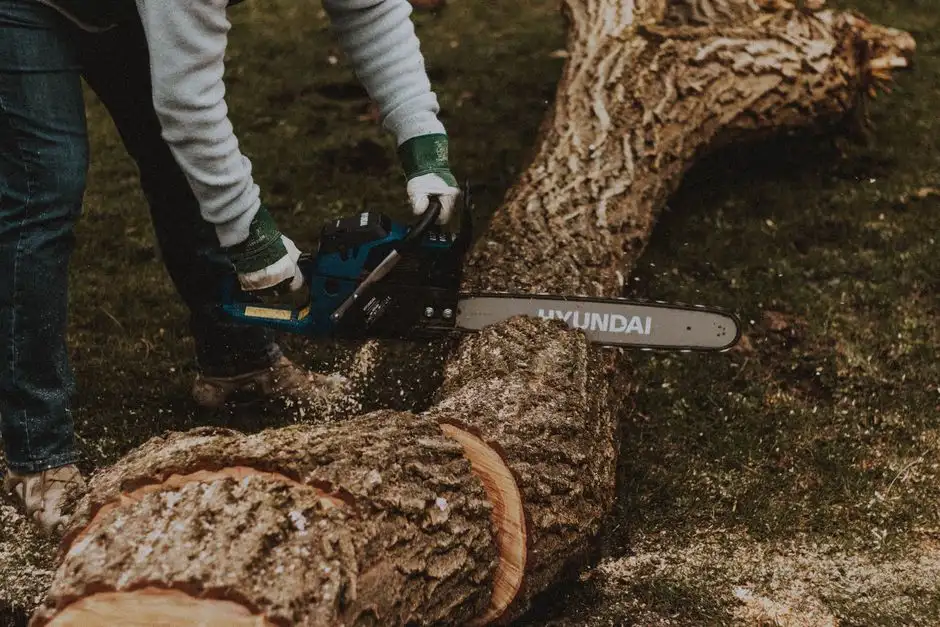
To cut up a fallen tree with a chainsaw, start by assessing which parts of the trunk are under tension, then cut from the top side in sections no longer than your bar, using wedges or a second cut to prevent the log from pinching your bar. Never stand on the downhill side of a log that could roll, and keep your chain brake on until the saw is positioned. This guide walks you through bucking a downed tree safely in Georgia, from gear and technique to the warning signs that mean you should stop and call a pro.
Every fall and winter, our crews get calls from homeowners across Georgia who tried to save a few hundred dollars on a downed pine or oak and ended up with a pinched bar, a kickback injury, or a log that rolled onto a fence. We get it - firewood is tempting, and a chainsaw feels like the obvious tool. But a fallen tree is not a log on a sawhorse. It is a loaded spring. The wood fibers are bent, compressed, or stretched, and when you cut into them, the tree releases that energy without warning. Knowing where that energy lives is the difference between a clean bucking job and a trip to the ER.
If you would rather not take that risk, our Emergency Tree Removal in Georgia team handles storm-downed trees every week, often the same day you call.
What You Need Before You Start
Before you pull the starter cord, gather the right gear. Cutting up a fallen tree with a chainsaw is a job that punishes shortcuts. You need a saw that starts reliably, a sharp chain, and protective equipment that actually fits.
- Chainsaw: A 50cc to 60cc saw with an 18- to 20-inch bar handles most Georgia hardwoods and pines up to about 20 inches in diameter. For trunks over 24 inches, you need a 70cc saw with a 24- to 28-inch bar, or you need to make two passes.
- Chaps: Wear chainsaw chaps rated for your saw's chain speed. They cost $60 to $120 and are the single best investment you can make. A chain that hits chaps stops in milliseconds; a chain that hits jeans does not.
- Helmet and eye protection: A forestry helmet with a face shield and ear muffs runs about $40 to $70. Safety glasses alone are not enough when you are cutting at ground level and sawdust is flying up.
- Wedges: Two or three plastic felling wedges ($5 to $10 each) will save your bar when a log starts to pinch.
- Files and a depth gauge: A sharp chain cuts faster and kicks back less. Touch up the cutters every tank of fuel.
- Fuel and bar oil: Mix fresh 50:1 fuel. Old gas is the number one reason a saw will not start after sitting in the shed all summer.
If you are buying a saw specifically for storm cleanup, a 55cc saw with a 20-inch bar is the sweet spot for most Georgia properties. It is light enough to carry through a backyard and powerful enough to buck a 16-inch pine in under a minute.
How Do I Cut Up a Fallen Tree with a Chainsaw in Georgia?
To cut up a fallen tree with a chainsaw in Georgia, you buck the trunk from the top side in short sections, starting at the base and working toward the top, while watching for tension and compression wood that can pinch your bar or roll the log. The technique is called bucking, and it is different from felling a standing tree. You are not trying to control the direction of a fall. You are trying to release stored energy in a controlled way.
Step 1: Assess the Tree Before You Touch It
Walk the full length of the tree. Look for these hazards:
- Broken limbs overhead: A branch caught in a neighboring tree can drop when you cut the trunk. Never work under a widow-maker.
- Root plate: If the root ball is standing up, the trunk may still be attached and under enormous tension. Do not cut near the root plate.
- Spring poles: A sapling or small tree bent under the trunk will snap back when you cut the trunk. These cause serious facial injuries.
- Lean and bind: Is the trunk resting on a rock or another log? That creates a pivot point. The log can roll when you cut it.
- Power lines: If the tree is touching any wire, stop. Call the utility first. No exceptions.
If the tree is on a slope, stand on the uphill side. A log that starts to roll will not stop for you.
Step 2: Plan Your Cuts
Start at the base and work toward the top. Cut sections that are no longer than your bar. If the trunk is 20 inches and your bar is 18 inches, you will need to cut from both sides. Do not try to bury the bar and pivot - that is how you bend a bar or burn up a clutch.
For a trunk resting flat on the ground, make a straight down-cut from the top. The chain will pull sawdust out, and the log will not pinch because the ground supports it. For a trunk supported at both ends (a bridge), cut from the top about one-third of the way through, then finish from the bottom. That relieves the compression slowly.
Step 3: Make the Cut
Set the saw on the log with the chain brake on. Start the saw, release the brake, and let the chain reach full speed before you touch wood. Apply light pressure - let the saw do the work. If you have to push hard, the chain is dull.
When the log starts to pinch, stop immediately. Do not try to power through. Pull the saw out, tap a wedge into the cut behind the bar, and then finish the cut. The wedge keeps the kerf open and saves your bar.
If the log is under tension from a lean, make a small cut on the compression side first, then finish on the tension side. The compression side is the side where the wood fibers are being pushed together. The tension side is where they are being pulled apart. Cutting the tension side first will cause the log to split and bind.
Step 4: Move the Sections
Once you have bucked the trunk into rounds, roll them away from the work area before you start the next cut. A pile of rounds at your feet is a trip hazard. If you are cutting on a slope, position yourself so the rounds roll away from you, not toward you.
For limbs and branches, use a smaller saw or a pole saw. Do not reach overhead with a heavy saw. If a limb is under tension, cut it from the underside first to relieve the bind.
What Is the Safest Way to Chainsaw a Fallen Tree in Georgia?
The safest way to chainsaw a fallen tree in Georgia is to keep your body out of the kickback path, maintain a stable stance, and never cut above shoulder height. Kickback happens when the top of the bar's nose contacts wood or another object. The saw kicks up and back toward your face in a fraction of a second. You cannot react fast enough to stop it. You prevent it by keeping the nose clear and holding the saw with both hands.
Here are the safety rules our crews follow on every job:
- Both hands on the handles. No one-handed cutting. Ever.
- Thumbs wrapped under the handles. If the saw kicks, your grip stays.
- Stand to the side of the cut. Never directly behind the bar. If the chain snaps, it travels backward.
- Keep your chain sharp. A dull chain requires more pressure, which increases kickback risk.
- Watch the tip. Do not let the nose of the bar touch anything while the chain is moving.
- Cut at waist height or lower. If you have to raise the saw above your chest, you are in a danger zone.
- Take breaks. Fatigue makes you sloppy. After 30 minutes of cutting, rest for 10.
One more thing: never cut alone. If you get pinned or injured, you need someone to call for help. In Georgia, cell service can be spotty in rural areas. Tell someone where you are working and when you expect to be done.
If the tree is too close to a structure or a vehicle, do not try to cut it free yourself. That is a job for a pro. We handle Fallen Tree Removal in Georgia every day, including trees leaning on roofs and cars.
Common Mistakes and What to Watch Out For
Most chainsaw injuries on fallen trees come from a handful of mistakes. Avoid these and you are ahead of 90 percent of DIYers.
Cutting From the Wrong Side
If a log is supported at both ends, cutting from the top first will pinch the bar. You need to cut from the bottom first to relieve compression. If a log is cantilevered (one end on the ground, one end in the air), the supported end is under compression and the hanging end is under tension. Cut the compression side first.
Ignoring the Root Plate
A root plate that is still attached to the trunk can shift when you cut the trunk. The whole tree can rotate. Stay away from the root plate until the trunk is bucked and the plate is separated.
Using a Dull Chain
A dull chain is not just slow. It is dangerous. You push harder, the saw heats up, and the chain can derail or break. Sharpen every tank of fuel. If you hit dirt or metal, stop and sharpen immediately.
Not Wearing Chaps
Chainsaw chaps are not optional. They are the difference between a nick and a severed artery. A chain that hits chaps stops in about 0.1 seconds. A chain that hits jeans does not stop at all.
Cutting Overhead
If you have to raise the saw above your shoulders, you have lost control. Use a pole saw or call a pro. Overhead cutting is the leading cause of fatal chainsaw accidents.
Working Alone
If you get pinned under a log, you cannot call for help. Work with a partner. If you must work alone, carry a phone and tell someone your plan.
When to Call a Professional
Call a professional when the tree is touching a structure, a power line, or a vehicle, when the trunk is under tension you cannot safely relieve, or when the tree is larger than your saw can handle. A pro has the equipment, insurance, and experience to handle these jobs without putting you at risk.
At Georgia 24/7 Tree Removal, we handle emergency tree removal across the state. We have the saws, the rigging, and the know-how to take down a hazardous tree without damaging your property. If you are not sure whether you can handle it, call us. We will tell you straight.
We also work with homeowners in Emergency Tree Removal in Atlanta and the surrounding metro area, where mature hardwoods and tight lots make storm cleanup especially tricky.
Frequently Asked Questions
How do I cut up a fallen tree with a chainsaw in Georgia?
Start at the base and cut the trunk into sections no longer than your bar, working from the top side. Watch for tension and compression wood, use wedges to prevent pinching, and never stand on the downhill side of a log that could roll. If the tree is on a slope or near a structure, call a pro.
What is the safest way to chainsaw a fallen tree in Georgia?
The safest way is to keep both hands on the saw, stand to the side of the cut, and never cut above shoulder height. Wear chaps, a helmet, and eye protection. Keep your chain sharp and take breaks every 30 minutes. Never work alone.
What size chainsaw do I need for a fallen tree in Georgia?
For most Georgia hardwoods and pines up to 20 inches in diameter, a 50cc to 60cc saw with an 18- to 20-inch bar works well. For trunks over 24 inches, use a 70cc saw with a 24- to 28-inch bar, or make two passes with a smaller saw.
Can I get hurt cutting a fallen tree in Georgia?
Yes. Chainsaw injuries from fallen trees are common, especially kickback, pinched bars, and rolling logs. The most serious injuries happen when a log shifts unexpectedly or a chain hits a leg. Wear chaps, keep your chain sharp, and never cut alone.
When should I call a professional for fallen tree removal in Georgia?
Call a pro if the tree is touching a structure, a power line, or a vehicle, if the trunk is under tension you cannot safely relieve, or if the tree is larger than your saw can handle. Also call if you are unsure about any part of the job.
Get Help with Emergency Tree Removal in Georgia
A fallen tree is dangerous work, and the risks are not always obvious until the saw is in the wood. If you would rather not take that chance, our team is ready 24/7 to remove the tree, clear the debris, and get your yard back to normal. Call Georgia 24/7 Tree Removal at +18664591318 for fast, safe service anywhere in Georgia.