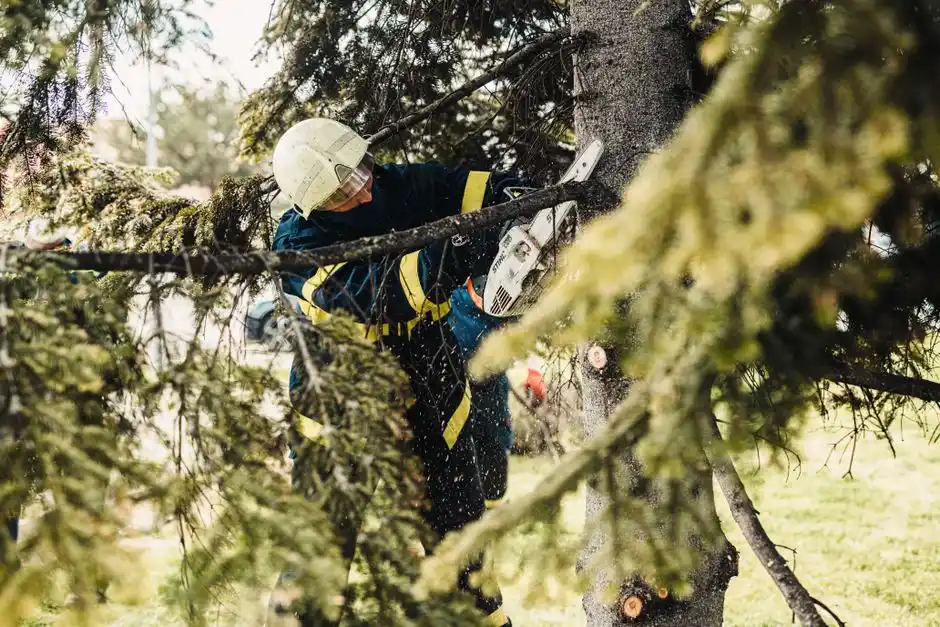
24/7 emergency response for dangerous, leaning, and storm-damaged trees

Hazardous Tree Removal in Georgia Done Right the First Time

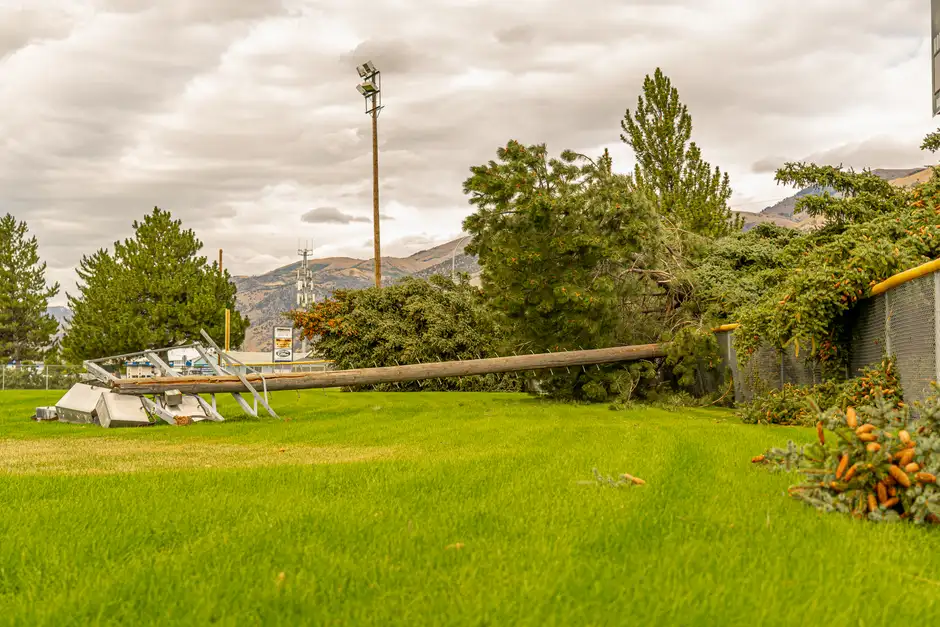
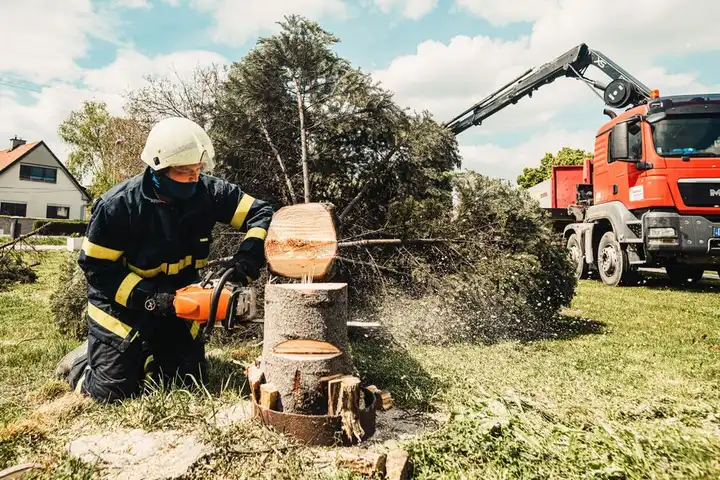
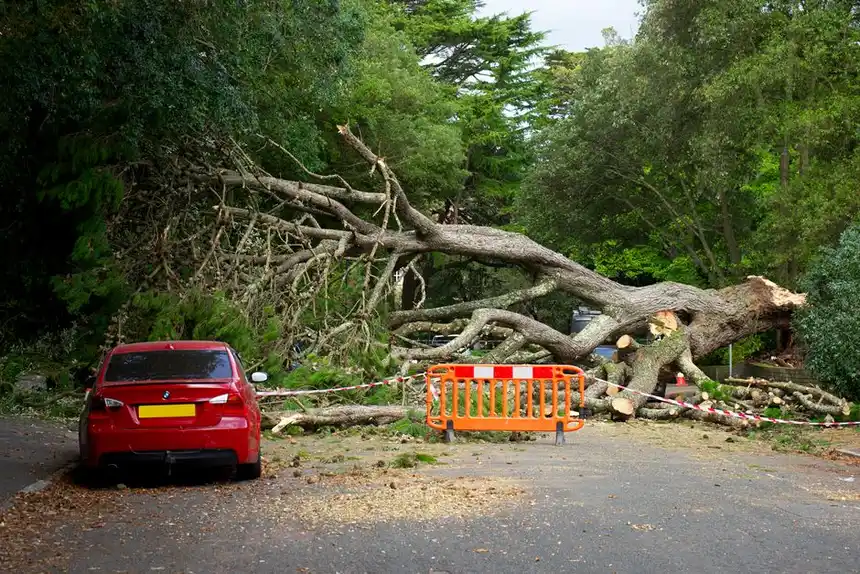
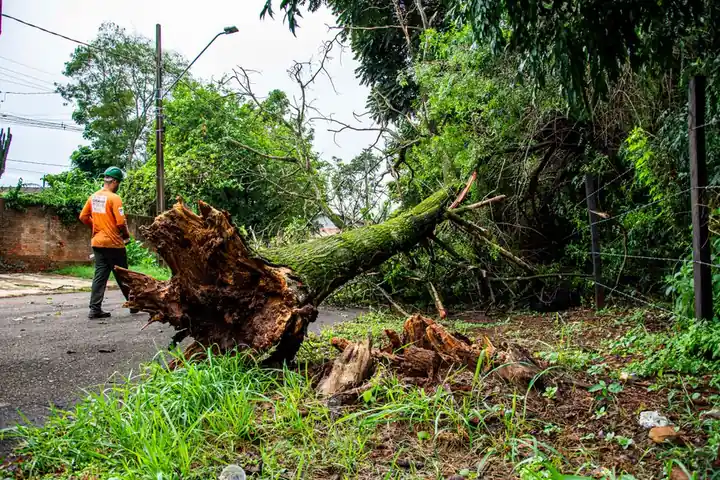
When a tree is cracking, leaning over your roof, or already tangled in power lines, Hazardous Tree Removal in Georgia is not a wait-until-Monday job. We run crews 24/7 across the state with bucket trucks, cranes, and rigging gear to take down dangerous trees without wrecking your fence, driveway, or siding. One call and we roll.

↗
Fast online booking

Request service today

Tell us what is happening. Our local team will confirm your visit shortly.

No spam. No obligation. Just practical help.
Thanks — we'll call shortly to confirm your visit.
Hazardous Tree Removal
Careful work. Honest options.
About this service

What Hazardous Tree Removal in Georgia Actually Involves

Hazardous Tree Removal in Georgia is the controlled takedown of a tree that has become an active threat to people, structures, or utilities. It is not the same as routine pruning. A hazard tree usually shows itself through a lean that appeared after a storm, a split trunk, root plate lifting, dead limbs hanging over a driveway, or a hollow crown. We assess the tree, set a drop zone, rig the heavy wood down in sections, and clear every limb and log before we leave.

Georgia's climate makes this work a year-round reality. Summer thunderstorms drop 40 to 60 mph gusts through the Piedmont, fall hurricanes push inland from the coast, and ice events in the north Georgia mountains load limbs until they snap. If you have been searching for dangerous tree removal near me and the tree is already touching a structure, that is an emergency, not a quote request. We treat it that way.

  • ✓ Damage Prevented Before It Happens
  • ✓ Power Line Interference Cleared
  • ✓ Driveways and Fences Protected
  • ✓ Same-Day Emergency Response
What's included

What Our Hazardous Tree Removal Service Includes

Every hazardous tree job is different, but the core scope is the same. We assess the tree, plan the takedown, rig the sections down safely, chip the brush, and haul the wood. Stump grinding and firewood splitting are add-ons we quote upfront. Here is what is covered.

✓

On-Site Hazard Assessment

A certified arborist or lead climber walks the tree, checks the root plate, looks for cracks and decay, and identifies the lean direction. You get a straight answer on whether the tree can be saved or needs to come down.

✓

Controlled Sectional Takedown

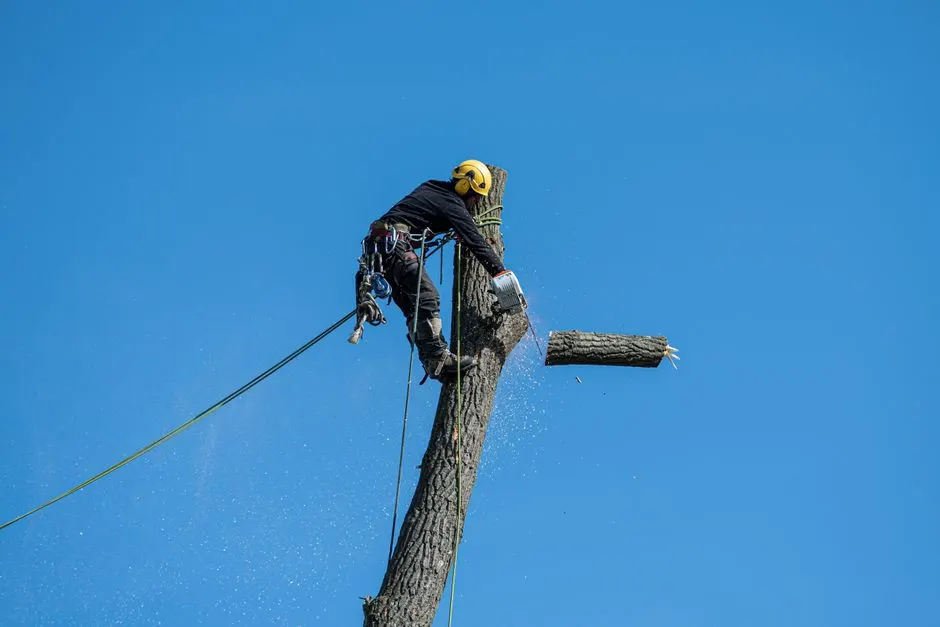
We climb and cut the tree in sections, lowering each piece with rigging ropes and blocks. On tight lots, this is the only way to bring a 70-foot tree down without hitting a house, fence, or driveway.

✓

Brush Chipping and Haul-Off

All limbs and brush go through a wood chipper and leave the site. Logs are cut to firewood length or loaded out whole. You are not left with a pile of debris to deal with after we leave.

✓

Power Line Coordination

If the tree is near a service drop or distribution line, we coordinate with the utility and use OSHA 1910.269 procedures. We do not cut anything that is energized. The line gets de-energized or covered before the saw starts.

✓

Stump Grinding Option

Stump grinding is quoted as an add-on. We grind 6 to 12 inches below grade with a Vermeer or Bandit grinder, then tell you how to backfill and seed the hole. Grinding teeth are swapped before every job so the cut is clean.

✓

Site Cleanup and Walkthrough

We rake the work area, blow off the driveway, and walk the site with you. You confirm the tree is down, the drop zone is clear, and nothing was damaged. If something is not right, we fix it before we leave.

How it works

How Our Hazardous Tree Removal Process Works

01

Phone Triage

We ask three questions: Is the tree touching a structure? Is it near a power line? Is anyone in danger right now? Your answers set the priority. If the tree is on a house or a line, we dispatch immediately. If it is leaning but stable, we schedule a same-day assessment.

02

On-Site Assessment

A climber or ISA Certified Arborist walks the tree, checks the root plate, looks for cracks and decay, and identifies the lean direction. We mark the drop zone, note the nearest fence or driveway, and pick the rigging anchor points. This takes 15 to 30 minutes on most residential jobs.

03

Rigging and Sectional Cutting

For trees near structures, we climb and cut in sections, lowering each piece with rigging ropes and blocks. A bucket truck handles the upper canopy when access allows. A crane is used on the biggest, most compromised trees where climbing is unsafe. Every cut is planned before the saw starts.

04

Chipping and Haul-Off

Limbs go through a Bandit or Vermeer wood chipper and the chips leave with us unless you want them for mulch. Logs are cut to firewood length or loaded out whole. We use a stump grinder on the stump if you want it gone, grinding 6 to 12 inches below grade.

05

Final Walkthrough

We walk the site with you, confirm the tree is down, the drop zone is clear, and nothing was damaged. You get a clean yard, a raked work area, and a written summary of what was removed. If a stump was ground, we tell you how to backfill and seed it.

Tools & methods

Tools and Methods We Use on Hazardous Trees

Purpose-built equipment, used by trained technicians — so the job is done accurately the first time.

Bucket Truck (Altec)

Used to reach the upper canopy when the tree is near a road or open yard. An Altec bucket truck puts a climber at 60 to 75 feet without spiking the trunk, which matters on trees with questionable root plates.

Crane

Reserved for the biggest and most compromised trees. A crane lifts sections out of the air so nobody has to climb a failing trunk. We use it on split trunks, severe leans, and trees over structures.

Rigging Ropes and Blocks (Sherrill Tree)

The core of controlled takedowns. Sherrill Tree rigging ropes and blocks let us lower heavy sections by rope instead of dropping them. This is how a 70-foot oak comes down between two houses without a scratch.

Chainsaws (Stihl, Husqvarna, Echo)

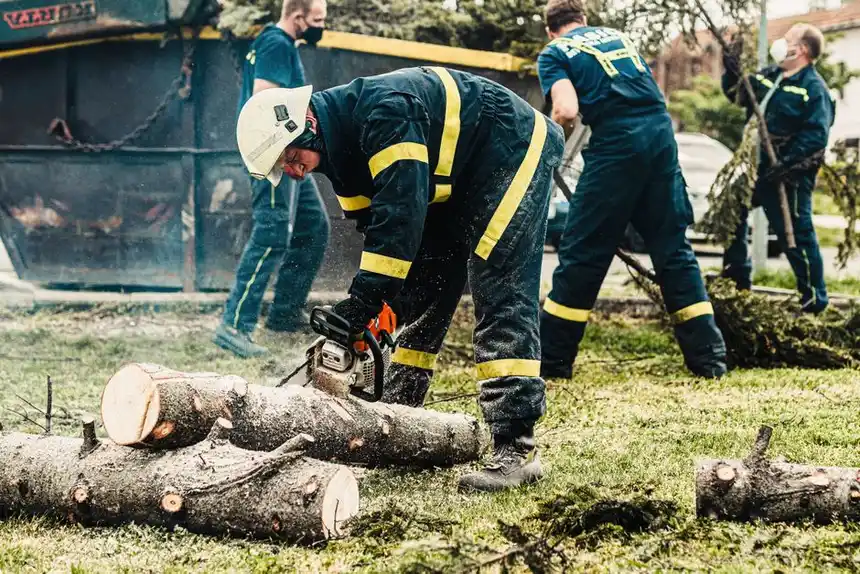
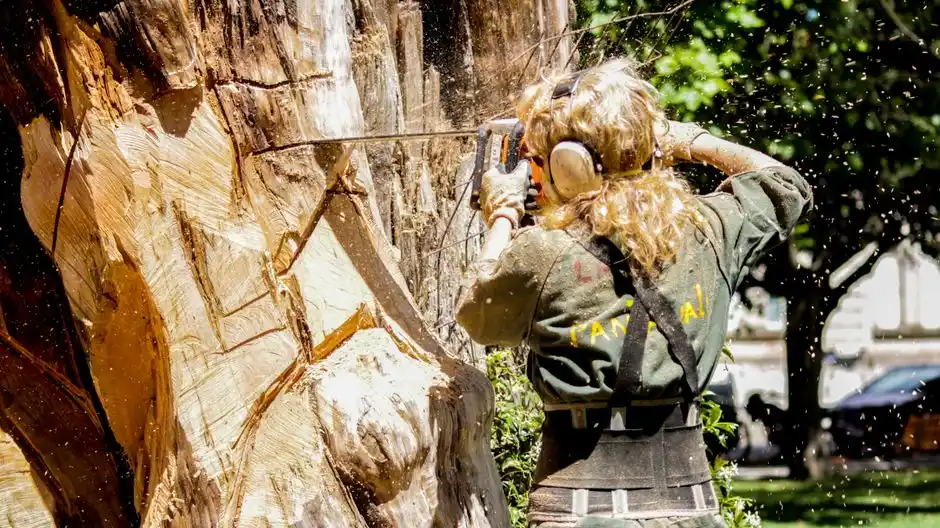
Stihl, Husqvarna, and Echo saws are our go-to for felling, limbing, and bucking. We run different bar lengths for different cuts and keep cutting chains sharpened and swapped between jobs.

Wood Chipper (Bandit, Vermeer)

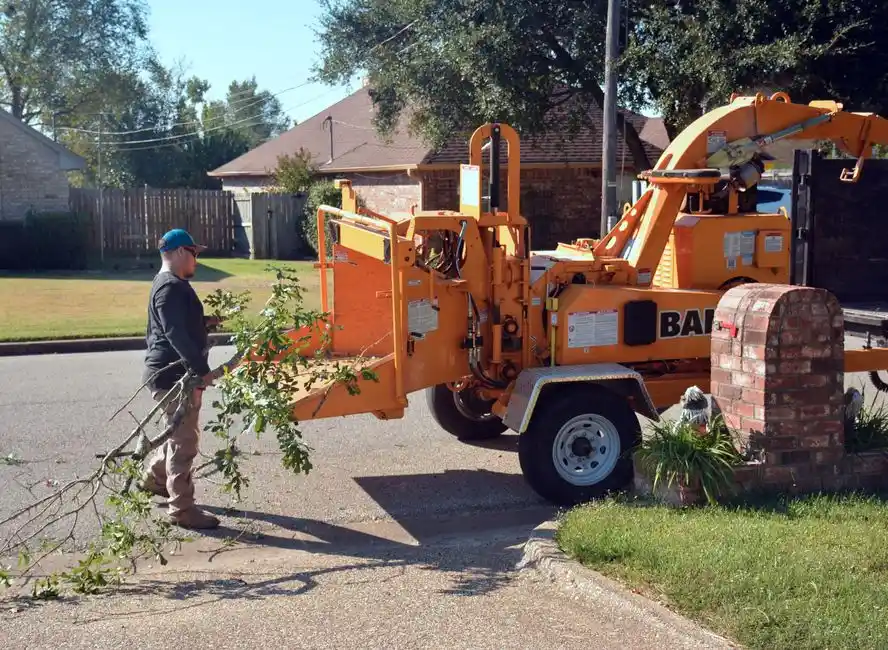
A Bandit or Vermeer chipper turns limbs and brush into chips that leave the site. Chips can be left for mulch if you want them. The chipper handles up to 12-inch material, which covers most residential limbs.

Stump Grinder (Vermeer)

A Vermeer stump grinder takes the stump 6 to 12 inches below grade. We swap stump grinding teeth before every job so the cut is clean and the hole is ready to backfill and seed.

Pole Saw and Climbing Spikes

A pole saw reaches limbs a bucket truck cannot. Climbing spikes are used on live trees where the bark can heal, not on dead or compromised trunks. We match the tool to the tree, not the other way around.

Real results

Before and after.

Leaning Pine Off a Smyrna Roof

Before

A 65-foot pine leaned 15 degrees toward a two-story house after a summer storm. The root plate was raised six inches on the house side. The homeowner had been sleeping in the living room to stay away from the bedrooms.

After

We rigged the tree from the opposite side, lowered the canopy in eight sections, and cut the trunk into firewood lengths. The house was untouched, the root ball was ground, and the yard was raked. Total time on site was four hours.

Dead Oak Over a Tifton Barn

Before

A dead oak had been standing over a barn for two years. Limbs were dropping on their own, and two other companies refused the job. The barn roof had already taken one hit and had a patch to prove it.

After

We brought in a crane, lifted the top out in three picks, and cut the trunk into firewood. The stump was ground 10 inches below grade. The barn was untouched, and the wood was stacked for the owner's fireplace.

Split Trunk Over an Athens Driveway

Before

An ice storm split a large oak at the crotch. Both halves were still standing over a concrete driveway, and the homeowner could not get a car out. One half had already dropped a limb on the hood of a parked truck.

After

We rigged both halves so neither could fall freely, then cut the split section out in pieces. The driveway was cleared of debris as we worked. The tree was down in five hours, and the driveway had no new cracks.

Problems we solve

Hazardous Tree Problems We Solve Across Georgia

Most hazardous tree calls fall into a handful of scenarios. Here are the ones we see most, what happens if you ignore them, and how we handle each one.

Ask a pro →
01

Leaning tree after a storm

We assess the lean, set rigging anchors on the opposite side, and bring the tree down in controlled sections. If the lean is severe, we use a crane to lift the top out before anyone climbs. The tree comes down on our terms, not the wind's.

↗
02

Dead tree over a driveway or roof

We remove dead trees with the same rigging approach as live hazards. Limbs come down first, then the trunk in sections. We chip the brush, haul the wood, and grind the stump if you want it gone. Most jobs are done in a single day.

↗
03

Tree limbs tangled in power lines

We coordinate with the utility to de-energize or cover the line, then remove the limb with insulated tools and proper clearance. Our crews train to OSHA 1910.269 standards for utility-adjacent work. The line stays intact and the hazard goes away.

↗
04

Split or cracked trunk

We rig the tree so neither half can fall freely, then cut the split section out in pieces. A crane is often the safest option on large split trunks. We remove the tree, chip the brush, and leave the site clean.

↗
Transparent pricing

Hazardous Tree Removal Cost in Georgia

$450 - $2,800 for most residential jobs; $4,000+ for complex crane jobs

Hazardous tree removal in Georgia is priced by the job, not by the hour. Most residential jobs run $450 to $2,800 in 2026. A simple leaning pine in an open yard sits at the low end. A 90-foot oak over a roof with power lines nearby sits at the top. Emergency and after-hours calls add a premium. We give you the number before we start cutting, and we do not add line items after the fact.

The number looks big until you compare it to a roof replacement or a hospital bill. A hazardous tree removed on our schedule is a controlled job. The same tree removed by the wind is an insurance claim. We price the work so it gets done before the storm does it for you.

01Tree height and diameter

A 40-foot tree is a different job than a 90-foot tree. Height drives the equipment needed, the number of rigging sections, and the time on site. Diameter affects how many cuts it takes to section the trunk and how big the pieces are that come down.

03Power line involvement

If the tree is tangled in a service drop or distribution line, we coordinate with the utility and follow OSHA 1910.269 procedures. That adds time and sometimes requires a utility crew on site. It also means the job cannot be rushed.

04Access and drop zone

A tree in a backyard with a narrow gate takes longer than one next to a driveway. If we cannot get a bucket truck or crane close, we climb and rig everything by rope. Access is often the difference between a half-day and a full-day job.

Proof you can check

Licensed, Insured, and Certified

✓
ISA Certified ArboristInternational Society of Arboriculture
✓
TCIA AccreditationTree Care Industry Association
✓
OSHA 1910.269Occupational Safety and Health Administration
✓
ANSI Z133American National Standards Institute
✓
Georgia Arborist LicenseState of Georgia
Customer reviews

What Georgia Homeowners Say

★★★★★
“A pine leaned toward our house after a storm and we could not sleep. They came out the same night, rigged it down in sections, and never touched the roof. The crew was calm and explained every cut before they made it. Yard was raked clean when they left.”
DR

Dana R.Homeowner, Smyrna

✓ Verified
★★★★★
“A limb cracked over our driveway during an ice storm. They answered at 5 a.m., had a climber up the tree by 7, and the limb was on the ground and chipped by 9. I have used them twice since for routine work. Straight shooters.”
EP

Elaine P.Homeowner, Athens

✓ Verified
Good questions

Frequently Asked Questions About Hazardous Tree Removal

+18664591318

Most hazardous tree removals in Georgia run $450 to $2,800 in 2026, with complex rigging jobs near structures reaching $4,000 or more. A simple leaning pine in an open yard sits at the low end. A 90-foot oak over a roof with power lines nearby sits at the top. Emergency and after-hours calls add a premium. We give you the number before we start cutting.

Call a licensed, insured tree company that runs 24/7 and has ISA Certified Arborists on staff. We fit that description and we answer the phone around the clock. If the tree is on a power line, call your utility first, then call us. If it is on your house, call us first and we will coordinate the utility if needed.

A tree is hazardous when it has a structural defect that could cause it to fail and a target it would hit. Common signs in Georgia include a new lean after a storm, a split or cracked trunk, mushrooms growing at the base, root plate lifting, and large dead limbs hanging over a roof or driveway. A certified arborist can confirm it in 15 minutes.

Homeowners insurance in Georgia typically covers removal when the tree hits a covered structure, like your house, garage, or fence. It usually does not cover removal of a tree that is still standing, even if it is clearly hazardous. We document the job with photos and a written summary you can send to your adjuster.

Where we deliver this service

Cities We Serve for Hazardous Tree Removal

We run hazardous tree removal crews across Georgia, from the mountains to the coast. Every city below gets the same dispatch process, the same rigging gear, and the same 24/7 phone line. If you are searching for a hazardous tree service near me and you are anywhere on this list, call us. We will tell you how fast we can be there.

AthensAthens has mature oaks and pines over older homes and tight lots. We rig most trees here in sections because there is no open drop zone. Ice storm damage is common, and we clear hung-up limbs with pole saws and climbing gear.View area →SmyrnaSmyrna's red clay holds water after storms, and root plates lift. We treat post-storm leans as emergencies and often use a crane on trees over houses. Most jobs are finished in a single day.View area →HinesvilleHinesville sits on sandy coastal soil with hurricane exposure. Pines here tend to uproot whole, so we rig the root plate and cut the trunk in sections. We prioritize trees on structures and power lines after any named storm.View area →Sugar HillSugar Hill has newer subdivisions with mature pines left during development. Root damage from grading is common. We check the root plate on every pine before we climb it and use rigging when the drop zone is tight.View area →MilledgevilleMilledgeville's historic district has older oaks with hollow trunks and root damage. We assess decay with an ISA Certified Arborist before any cut is planned. Some trees can be saved with cabling instead of removal.View area →Villa RicaVilla Rica sits on the Piedmont clay line, and summer storms split trunks and drop limbs. We stage crews nearby during storm season so response times stay short. Most residential jobs here are done in two to four hours.View area →LilburnLilburn's tight lots and mature hardwoods make sectional rigging the standard approach. We lower heavy sections by rope instead of dropping them. That is how a 70-foot oak comes down between two houses without a scratch.View area →TiftonTifton's sandy soil and open farmland mean whole pines uproot in high wind. We handle dead trees over barns and sheds with crane-assisted takedowns. Stump grinding is available on the same visit.View area →CordeleCordele sees hurricane remnants push inland with days of rain. Saturated sand gives way, and leaning pines become emergencies. We dispatch the closest crew and tell you the real ETA, not a sales pitch.View area →CussetaCusseta's rural properties often have trees far from a driveway. Access is the main challenge, so we plan the drop zone before the truck arrives. We can drop whole trees when the space allows and rig when it does not.View area →SylvesterSylvester's pecan groves and shade trees take a beating in summer storms. We remove split trunks and dead limbs over homes and outbuildings. Wood can be cut to length and left if you want the firewood.View area →ChatsworthChatsworth sits in the north Georgia mountains where shallow soil and steep slopes cause trees to uproot. We rig on slopes and use a crane when the lean is severe. Ice event cleanup is a regular call here.View area →ClarkstonClarkston's dense neighborhoods mean tight drop zones and power lines close to the canopy. We coordinate with the utility and use insulated tools on any tree near a service drop. Most jobs are done in a single day.View area →NashvilleNashville, in south Georgia, sees sandy soil and high wind. Whole pines uproot more than they snap, so we rig the root plate and section the trunk. We prioritize trees on structures and lines after storms.View area →ReidsvilleReidsville's coastal plain soil and hurricane exposure make leaning pines a common call. We treat post-storm leans as emergencies and stage crews nearby during storm season. Stump grinding is available on the same visit.View area →
Ready when you are

Get Hazardous Tree Removal in Georgia Today

If a tree is leaning, cracked, or already on a structure, do not wait for the next storm to finish the job. Call us and we will dispatch a crew. We are licensed, insured, and answering the phone right now.

Call Now +18664591318 →
Request an appointment

Call Georgia 24/7 Tree Removal

Phone lines are open every hour of every day, including holidays and the middle of a storm. Tell us what the tree is touching and where you are, and we will give you a range on the spot and dispatch the nearest crew. Most metro Atlanta calls see a truck within 60 to 90 minutes.

Request received — our team will be in touch shortly.
Tap to call+18664591318