Certified crews, crane-assisted rigging, and 24/7 response statewide

Leaning Tree Removal in Georgia Done Right, Day or Night

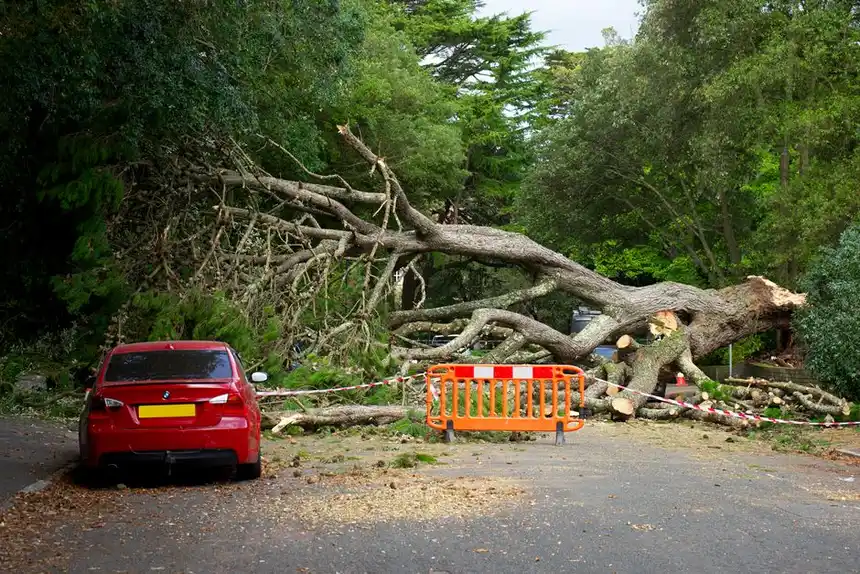
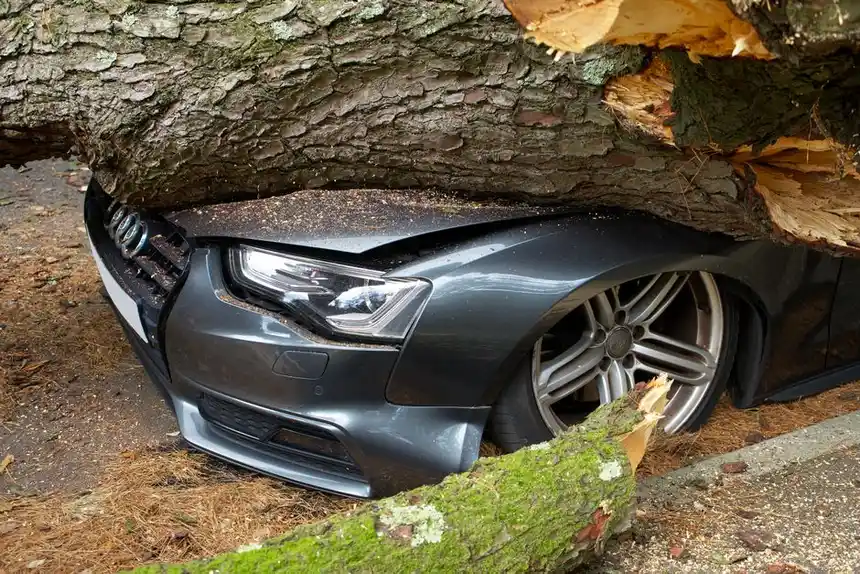
Leaning Tree Removal in Georgia means taking down a tree that has shifted off plumb before it falls on a roof, a driveway, or a power drop. We handle storm-damaged pines, root-lifted oaks, and saturated hardwoods across the state, from metro Atlanta to the coast. If your tree is leaning and you are not sure how bad it is, call us and we will tell you straight.

↗
Fast online booking

Request service today

Tell us what is happening. Our local team will confirm your visit shortly.

No spam. No obligation. Just practical help.
Thanks — we'll call shortly to confirm your visit.
Trusted tree service
Careful work. Honest options.
About this service

What Leaning Tree Removal in Georgia Actually Involves

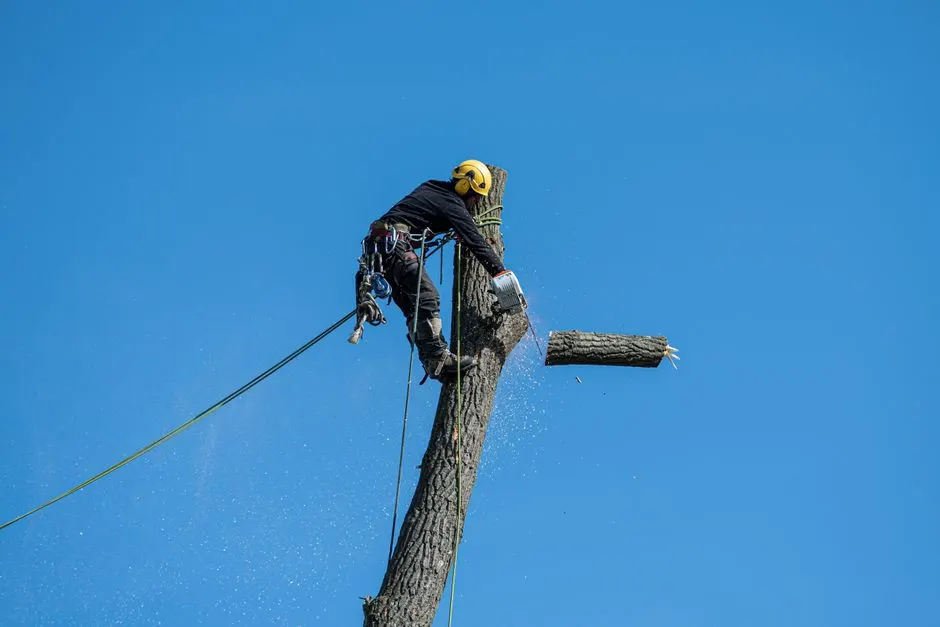
Leaning Tree Removal in Georgia is the controlled takedown of a tree that has lost its vertical hold, whether from saturated soil, root damage, storm damage, or a split trunk. We start with a load assessment: soil type, lean angle, canopy weight, and what sits in the fall zone. Then we rig it, cut it in sections, and lower it with ropes or a crane so nothing lands where it should not. A bucket truck handles the easy ones; a crane handles the ones over a house.

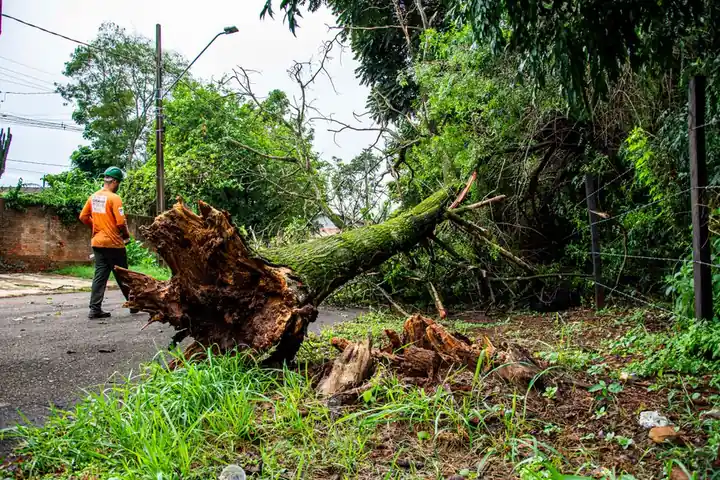
Georgia leaning tree removal gets called most often after a wet winter or a summer squall line. Piedmont clay holds water, then lets go. Coastal storms push pines past 15 degrees of lean in a single night. Homeowners in South Fulton, Brookhaven, and Dalton call us when a tree is resting near a service drop or blocking a driveway. If you are searching for leaning tree removal near me, we run crews across the state around the clock.

  • ✓ Stop the Fall Before It Happens
  • ✓ No Damage to Your Property
  • ✓ 24/7 Emergency Response
  • ✓ Full Cleanup, Not Just a Cut
What's included

What Our Leaning Tree Removal Includes

Every leaning tree job is different, but the core scope is the same. We assess, rig, remove, and clean up. Stump grinding and wood hauling beyond the chips are add-ons we quote upfront. Here is what you get when you book us.

✓

On-Site Load Assessment

A crew lead measures lean angle, checks the root plate for heave, and inspects the trunk for cracks or fungus. We identify what is in the fall zone, including fences, power drops, and vehicles. You get a written scope and a firm price before any saw starts.

✓

Rigging and Controlled Sectioning

We set rigging ropes, rigging blocks, and anchors, then lower the tree in sections instead of dropping it. A crane is used when the tree is over a structure or too compromised to climb. This is the part that keeps your roof and driveway intact.

✓

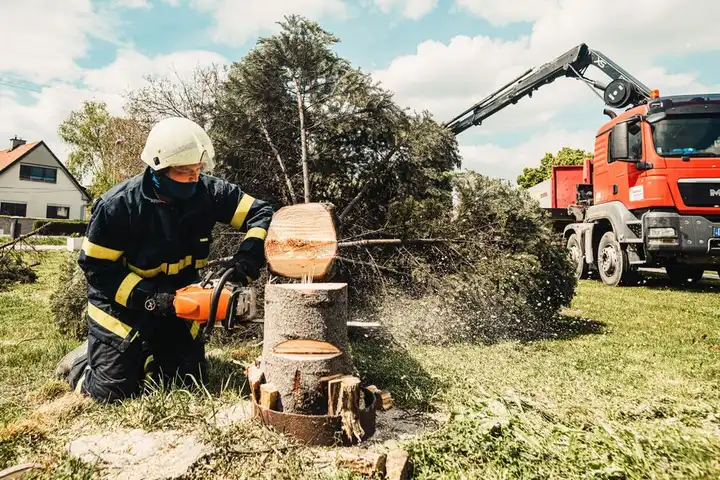
Full Brush and Log Cleanup

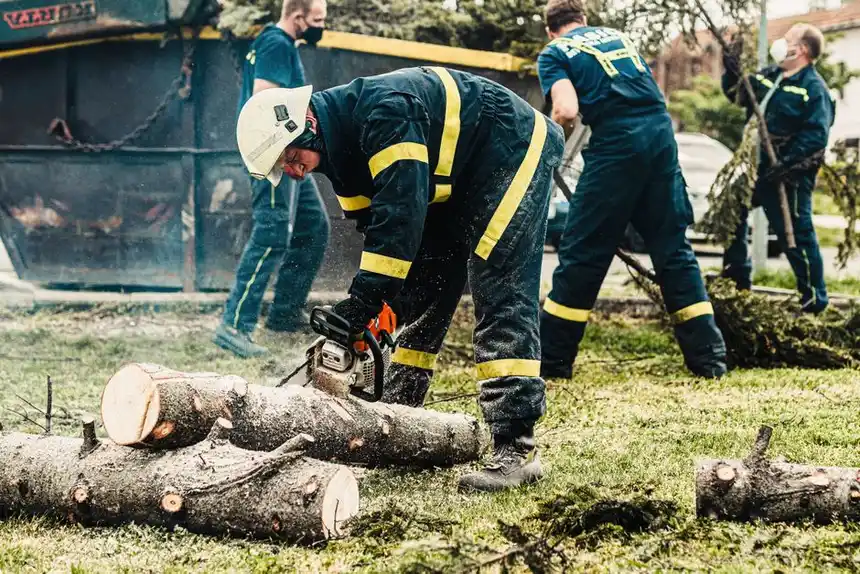
We run limbs through a wood chipper and load the trunk sections onto the truck. The work area gets raked and blown clean. You are left with a clear yard, not a pile of debris on the curb. Chips can be left on site if you want them for landscaping.

✓

Stump Grinding Option

Stump grinding is quoted separately and priced by diameter. We grind 6 to 12 inches below grade with a Vermeer or Bandit grinder, then rake the grindings into the hole. Most residential stumps take 30 to 60 minutes to grind and clean up.

✓

Photo Documentation

We photograph the lean, the rigging setup, and the finished site. That record is useful for insurance claims, HOA disputes, and your own files. You get the images by text or email the same day the job is completed.

✓

Post-Job Walkthrough

You walk the property with the crew lead before we leave. We check the drop zone, the lawn, and the driveway for any marks. If something is not right, we fix it before the truck pulls out. Payment is collected after you sign off on the work.

How it works

How Our Leaning Tree Removal Process Works

01

Call and Triage

You call and describe the lean, the tree species, and what is underneath it. We ask about power lines, driveways, and structures. If the tree is on a line, we tell you to keep everyone back and call the utility first. Otherwise we dispatch the nearest crew, usually within 60 to 90 minutes for emergencies.

02

On-Site Assessment

A crew lead walks the property, checks the root plate, and measures the lean angle. We look for soil heave, cracks in the trunk, and dead limbs overhead. You get a clear scope and a price before any saw starts. No surprises, no add-ons after the fact.

03

Rigging and Setup

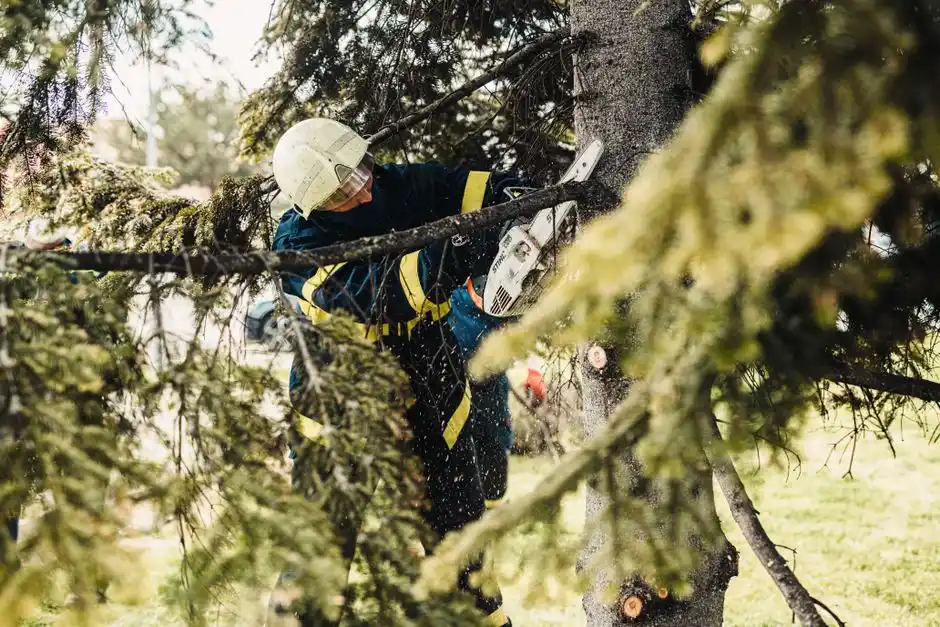
We set anchors, run rigging slings, and position the bucket truck or crane. On tight lots we climb with climbing spikes and set a high tie-in point. Safety chaps, hard hats, and eye protection go on before the first cut. Setup typically takes 20 to 40 minutes.

04

Controlled Removal

We cut the tree in sections from the top down, lowering each piece with ropes or the crane. The lean direction tells us which side to load and which side to relieve. A 60-foot pine over a roof usually takes 2 to 4 hours. We keep the drop zone clear the entire time.

05

Cleanup and Walkthrough

We chip the brush, load the logs, and rake the work area. You walk the property with the crew lead before we leave. If you want the stump ground, we schedule a stump grinder for the same visit or the next day. Payment is due after you sign off.

Tools & methods

Tools and Methods We Use

Purpose-built equipment, used by trained technicians — so the job is done accurately the first time.

Stihl and Husqvarna Chainsaws

Our primary cutting saws for trunk sectioning and limb removal. We run sharp cutting chains and swap them mid-job so we are never forcing a dull saw through hardwood. Bar oil and 2-cycle fuel mix are stocked on every truck.

Bucket Truck and Crane

The bucket truck gets a cutter into the canopy without climbing. The crane takes the heavy sections when a tree is over a roof or too compromised to climb. Both are staged on jobs across Georgia every week.

Rigging Ropes and Rigging Blocks

Ropes, slings, and blocks let us lower trunk sections under control instead of dropping them. We inspect every sling before it goes on a tree. This is the gear that protects your roof, your fence, and your lawn.

Wood Chipper and Stump Grinder

A Bandit or Vermeer chipper turns limbs into chips we can haul or leave on site. A stump grinder with sharp stump grinding teeth takes the stump 6 to 12 inches below grade. Both are available on the same visit.

Pole Saw and Log Splitter

The pole saw reaches high limbs without a climb when the tree is stable enough. The log splitter processes trunk sections on site when a homeowner wants firewood instead of haul-away. We ask which you prefer before we load.

Climbing Spikes and Safety Chaps

Climbing spikes get a cutter up a sound trunk when a bucket truck cannot reach. Safety chaps, hard hats, and eye protection are worn on every job. We follow ANSI Z133 on every climb and every cut.

Real results

Before and after.

70-Foot Pine Off a Brookhaven Roof

Before

A 70-foot loblolly pine leaned 18 degrees over a single-story roof after three days of rain. The root plate had heaved six inches, and the canopy was resting near the service drop. The homeowner had already moved the family to a back bedroom.

After

We rigged from the bucket truck and lowered the tree in 14 sections over four hours. The roof was untouched, the service drop was clear, and the stump was ground the next morning. Total job cost came in under the original quote.

Storm-Leaned Oaks Cleared in Pooler

Before

Two water oaks leaned over a fence line and a shed after a tropical system passed near Pooler. One trunk had a visible crack, and the other was resting on the shed roof. The property manager needed both down before the next rain.

After

A crane truck arrived the next morning and removed both trees in a single visit. The shed was saved, the fence was untouched, and the site was chipped and raked clean. Photo documentation was sent to the insurance adjuster the same day.

Dead Lean Removed From an Austell Rental

Before

A dead pine leaned toward a shared fence on a rental property in Austell. The trunk was hollow at the base, and the tenant had stopped parking in the driveway. The owner needed it gone without damaging the fence or the neighbor's yard.

After

We rigged from a high tie-in point and lowered the tree in small sections over three hours. The fence survived, the tenant got the driveway back, and the stump was ground and backfilled. The owner received a same-day invoice and photos.

Problems we solve

Leaning Tree Problems We Solve in Georgia

Most leaning tree calls fall into a handful of scenarios. Each one has a different clock on it. Here are the problems we hear most and how we handle them.

Ask a pro →
01

Tree leaning over a house or garage

We rig the tree from a high tie-in point and lower it in sections away from the structure. A crane is used when the lean is severe or the trunk is compromised. Most jobs are down and chipped in 3 to 5 hours with no contact with the roof.

↗
02

Leaning tree resting on a power drop

We tell you to call the utility first so the line can be de-energized or sleeved. Once the line is safe, we remove the tree with non-conductive rigging and a controlled drop. We coordinate with the utility on timing so the power is back on fast.

↗
03

Root plate heaved after heavy rain

We treat a heaved root plate as an emergency. The tree is rigged and removed before the soil dries, because drying soil can actually speed up the fall. We cut low, chip the brush, and grind the stump so the hole can be backfilled.

↗
04

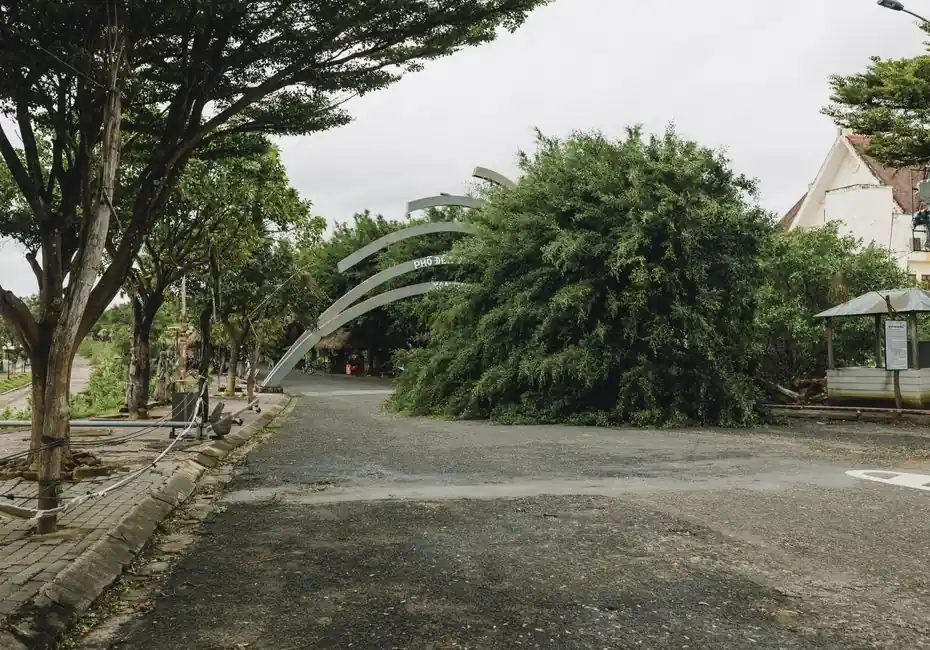
Leaning tree blocking a driveway or road

We prioritize access calls and dispatch the nearest crew. The tree is sectioned and moved off the drive first, then fully removed. Most driveway-blocking leans are cleared within 2 to 3 hours of arrival.

↗
Transparent pricing

Leaning Tree Removal Cost in Georgia

$450 - $2,500+ depending on tree size, lean severity, access, and timing

Typical 2026 pricing for leaning tree removal in Georgia runs $450 to $1,800 for most residential jobs, with complex crane work over structures reaching $2,500 or more. The lean angle, the tree size, the fall zone, and the access all move the number. We quote before we cut, and the quote holds unless we find something hidden, like rot or a buried fence. You get a firm price, not an hourly meter.

You are paying for controlled removal, not just a cut. The rigging, the crane, the insurance, and the cleanup are what keep your roof, your fence, and your family safe. A failed tree costs far more than removing it.

01Tree Height and Diameter

A 40-foot pine with a 12-inch trunk is a different job than a 70-foot oak with a 30-inch trunk. Larger trees need more rigging, more sections, and sometimes a crane. Height and diameter are the two biggest drivers of price.

03Proximity to Structures and Lines

A tree leaning over a roof, pool, or power drop requires controlled lowering and sometimes utility coordination. Open-yard trees cost less because we can drop sections into a clear zone. Tight lots in Brookhaven and Austell sit at the higher end.

04Access for Trucks and Equipment

A crane needs a stable pad and a clear swing radius. A bucket truck needs a driveway or a gate wide enough to pass. Limited access means more climbing and more hand-carrying, which adds labor hours to the job.
Proof you can check

Licensed, Insured, and Accountable

✓
ISA Certified ArboristInternational Society of Arboriculture
✓
TCIA AccreditedTree Care Industry Association
✓
ANSI Z133 ComplianceAmerican National Standards Institute
✓
OSHA 1910.269 Line SafetyOccupational Safety and Health Administration
✓
Commercial General Liability InsuranceState-licensed carrier
Customer reviews

What Georgia Customers Say

★★★★★
“A 70-foot pine leaned over our driveway after two days of rain. The crew showed up at 7 a.m., rigged it off the bucket truck, and had it down in about three hours without a scratch on the concrete. They chipped everything and raked the yard. Price matched the quote exactly.”
MT

Marcus T.Homeowner, Brookhaven

✓ Verified
★★★★★
“I called at 11 p.m. on a Sunday because an oak was leaning toward the house. A real person answered, gave me an ETA, and the crew was there by 1 a.m. They stabilized the tree, cut it in sections, and left the yard clean. I did not expect that level of service at that hour.”
RH

Ray H.Homeowner, Carrollton

✓ Verified
Good questions

Frequently Asked Questions About Leaning Tree Removal

+18664591318

Most leaning tree removals in Georgia run $450 to $1,800, with complex crane jobs over structures reaching $2,500 or more. A small backyard pine with a clear drop zone sits at the low end. A 70-foot oak leaning over a roof, near a power drop, or in a fenced yard pushes toward the top. Stump grinding adds $150 to $400 depending on diameter.

Georgia trees lean for four main reasons: saturated Piedmont clay after heavy rain, root damage from construction or grading, storm damage that cracked the trunk, and phototropism, where a tree grows toward open sunlight. A sudden lean of 10 degrees or more in a week is the dangerous kind. A slow lean over years is usually structural and still worth inspecting.

Call a licensed tree service with crane and rigging capability, not a landscaper with a chainsaw. Leaning trees carry stored energy and can barber-chair or roll when cut wrong. We run 24/7 leaning tree removal in Georgia with ISA Certified Arborist staff and ANSI Z133-compliant crews. If the tree is touching a power line, call your utility first, then call us.

A leaning tree is dangerous when the lean is new, the root plate is heaved, or the trunk shows cracks or fungus. Those signs mean the tree is already failing. A tree that has leaned for years without soil movement is lower risk but still worth an inspection. We assess lean angle, root plate, and canopy load before recommending removal or monitoring.

Where we deliver this service

Cities We Serve for Leaning Tree Removal

Our leaning tree removal service Georgia coverage runs from the mountains to the coast. We stage crews across the state so we can reach most addresses within 90 minutes, day or night. Below are a few of the communities we serve most often. If your city is not listed, call us anyway. We probably cover it.

South FultonPiedmont clay and mature pines make South Fulton a frequent stop for root-plate leans. We rig from the bucket truck and lower sections into tight driveways without touching fences or service drops.View area →BrookhavenBrookhaven lots are tight, and the trees are tall. We use rigging ropes and rigging blocks to lower every section over roofs and pools. Crane access is planned before we arrive so nothing sits in the street.View area →DaltonNorth Georgia hardwoods and steep grades define Dalton. Ice and wind push tall oaks off plumb over driveways and outbuildings. We bring the crane when the trunk is compromised or the slope is too steep to climb.View area →CarrolltonCarrollton sits in mixed pine and hardwood country with heavy clay soil. Leans develop fast after wet winters. We assess the root plate, rig the tree, and grind the stump on the same visit when possible.View area →PoolerPooler is coastal wind country. Sandy soil and tall pines mean leans show up fast after tropical systems. We stage crews nearby during hurricane season so response times stay under 90 minutes.View area →PerryPerry sits in middle Georgia where summer squalls push pines off plumb overnight. We treat new leans as urgent, rig the tree from a high point, and lower it in sections away from the house.View area →McDonoughNew construction and grading around mature trees create leans in McDonough. We see root damage from driveways and foundations within a year or two of a build. Removal is often the only safe fix.View area →AmericusAmericus has a mix of old hardwoods and open lots. Leaning trees here often sit near fences and outbuildings. We rig and lower sections, then chip the brush and haul the logs the same day.View area →CalhounCalhoun sits in north Georgia hardwood country with thinner soil and steeper grades. Ice events load the canopy and push trees off plumb. We use the crane when climbing a compromised trunk is not safe.View area →MoultrieMoultrie is agricultural country with large hardwoods near barns and sheds. A leaning tree over a structure is a crane job. We rig, lower, and document the work for insurance if needed.View area →ElbertonElberton sits in the granite country where thin soil and exposed rock reduce root hold. Leans develop faster than homeowners expect. We assess the root plate and remove the tree before the next wet week.View area →DawsonDawson is rural southwest Georgia with tall pines and open acreage. A leaning tree can block a driveway or a farm road for hours. We prioritize access calls and clear the path first, then finish the removal.View area →AustellAustell has a mix of older neighborhoods and new builds. Dead pines leaning toward fences are common. We rig from a high point, lower the sections, and grind the stump so the fence and yard stay intact.View area →PelhamPelham is south Georgia pine country with sandy soil and hurricane-season wind. Leans here can go from minor to critical in a single storm. We stage crews nearby and run 24/7 when systems track in.View area →GuytonGuyton sits just inland from the coast, where tropical systems push pines past 15 degrees of lean. We rig and lower sections over fences and sheds, then chip the brush and haul the logs the same visit.View area →
Ready when you are

Get Leaning Tree Removal in Georgia Before It Falls

A leaning tree is a countdown. We run licensed, insured crews 24/7 across Georgia with cranes, rigging gear, and ISA Certified Arborist oversight. Call now for a free estimate and a real ETA. If the tree is on a power line, call your utility first.

Call Now +18664591318 →
Request an appointment

Call Georgia 24/7 Tree Removal

Phone lines are open every hour of every day, including holidays and the middle of a storm. Tell us what the tree is touching and where you are, and we will give you a range on the spot and dispatch the nearest crew. Most metro Atlanta calls see a truck within 60 to 90 minutes.

Request received — our team will be in touch shortly.
Tap to call+18664591318