How to tell if a tree is dead and needs removal
Dead trees don't always look dead. Learn the scratch test, bud check, and trunk signs that tell you when a Georgia tree is dead and needs removal.
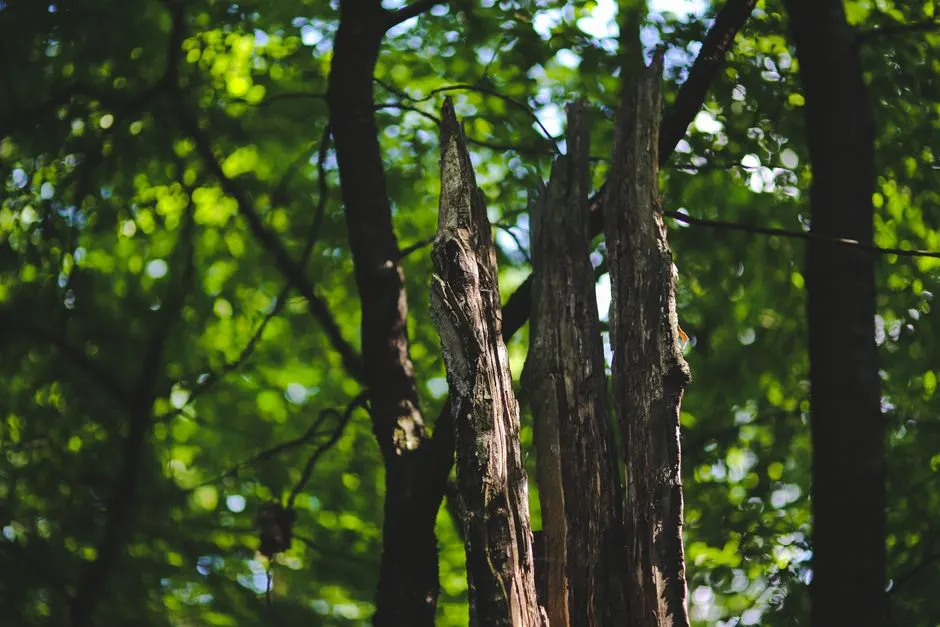
You can tell a tree is dead and needs removal by checking four things: bark that scratches off to brown or dry wood instead of green, brittle snap-prone twigs, a trunk with cracks or fungal growth, and no green under the outer layer. If those signs show up in spring or summer, the tree is dead - not dormant - and waiting only raises the risk of a limb or the whole trunk coming down on your roof, car, or power line.
This guide walks you through the exact tests we use on calls across Georgia, how to tell dead from dormant, what removal costs in 2026, and when it's time to stop guessing and call someone.
How to tell if a tree is dead and needs removal
How to tell if a tree is dead and needs removal is a tree-health assessment that checks living tissue under the bark, bud viability, and structural stability - it's needed the moment a tree stops producing green growth or starts dropping large limbs.
Start with the scratch test on a lower branch, not the trunk. Use a pocketknife or a key and scrape a one-inch patch of bark. Live wood is green and slightly damp underneath. Dead wood is brown, tan, or chalky and dry. If you scratch three branches in different parts of the canopy and all three come up brown, the tree is dead.
Next, bend a pencil-thick twig. A live twig flexes and the bark stays attached. A dead twig snaps clean with a dry crack and the bark may peel away. Do this on several branches - a tree can lose one limb to storm damage and still be alive.
Finally, look at the trunk base. Mushrooms, conks, or a soft, spongy feel near the soil line mean internal decay. A hollow sound when you thump the trunk with a rubber mallet is another red flag. Any of those, combined with brown wood under the bark, means the tree needs to come down.
Dead tree vs dormant tree in Georgia
A dormant tree in Georgia is resting, not dead - it still has green tissue under the bark, flexible twigs, and intact buds, while a dead tree has none of those.
Georgia's climate makes this tricky. Most of the state sits in USDA zones 7b to 8b, so winters are mild and many species - pines, magnolias, hollies, and some oaks - stay green year-round. Deciduous trees like maples, hickories, and sweetgums drop leaves from November through December and leaf out again in March or early April.
That four-month window is when homeowners panic. Here's the difference: dormant trees hold their buds tight and the buds look plump and firm. Dead trees either have no buds or the buds are shriveled and fall off when you touch them. Scratch the bark in January and a dormant tree still shows green. A dead one shows brown.
If you're not sure, wait until late April. By then, every healthy tree in Georgia has pushed new growth. A tree that's still bare in May is dead. We get calls every spring from homeowners in Emergency Tree Removal in Atlanta who waited too long and now have a dead oak leaning over the driveway.
How to test if a tree is dead in Georgia
Three field tests tell you whether a tree is dead: the scratch test, the snap test, and the bud test. Run all three before you decide.
The scratch test
Scrape a small patch of bark on a lower branch with a knife. Green and moist means alive. Brown and dry means dead. Test at least three branches around the canopy.
The snap test
Bend a twig the thickness of a pencil. Live twigs bend without breaking. Dead twigs snap and the inner wood is dry and discolored.
The bud test
In late winter or early spring, look for buds at the tips of branches. Plump, firm buds mean the tree is dormant and will leaf out. Missing or shriveled buds mean it's dead.
If two of the three tests point to dead, treat the tree as dead. Don't wait for it to fall on its own - that's how a $400 removal turns into a $4,000 insurance claim.
Signs a tree is dead in Georgia
The clearest signs a tree is dead in Georgia are brown wood under the bark, brittle branches, fungal growth at the base, and a sudden drop of large limbs in calm weather.
Here's what we look for on every assessment:
- Bark falling off in sheets - especially on pines and oaks, where the outer bark peels away from the trunk.
- Cracks or seams in the trunk - vertical splits that go deep into the wood.
- Mushrooms or conks at the base - a sign of root or heart rot.
- Hollow or soft trunk - a rubber mallet thump that sounds hollow means decay.
- Dead branches in the top third of the canopy - often the first visible sign.
- Sudden lean - a tree that was straight last month and leans now has a root problem.
- Sawdust or frass at the base - evidence of insects like pine beetles or carpenter ants.
One or two of these on an otherwise healthy tree might just mean storm damage. Three or more usually means the tree is dead or dying and needs to come down.
When to remove a dead tree in Georgia
Remove a dead tree in Georgia as soon as you confirm it's dead - ideally within 30 days, and immediately if it leans toward a house, driveway, or power line.
Dead wood gets weaker every month. Georgia's summer storms, tropical systems, and even a heavy ice event in north Georgia can bring down a tree that was standing fine last week. The longer you wait, the more the wood dries, cracks, and loses strength.
Timing matters for another reason: cost. A dead tree in an open yard is a straightforward job. A dead tree that's already dropped a limb on your roof is an emergency. We handle both, but the emergency call always costs more - and it's always more stressful.
If the tree is within falling distance of anything you care about, don't wait. Call a pro. Our Dead Tree Removal in Georgia team handles everything from single-tree removals to full storm cleanup.
Dead tree removal cost in Georgia
Dead tree removal in Georgia costs between $400 and $2,500 for most residential trees in 2026, with the average job landing around $900.
Here's what drives the price:
- Size - a 30-foot ornamental tree runs $400-$700. A 70-foot pine or oak runs $1,200-$2,500.
- Location - open yard is cheapest. Near a house, fence, or power line adds $300-$800 for rigging and careful sectioning.
- Condition - a dead, brittle tree is more dangerous to climb than a live one, so expect a premium.
- Stump grinding - add $150-$400 depending on diameter.
- Emergency or after-hours - expect 25-50% above standard rates.
We give you a flat quote before we start. No surprises, no hourly meter running while we figure it out.
Common mistakes when checking a dead tree
The biggest mistake is assuming a bare tree in winter is dead. In Georgia, most deciduous trees are supposed to be bare from December to March.
Other mistakes we see:
- Testing only the trunk. The trunk can look fine while the canopy is dead. Always test branches.
- Waiting for the tree to fall. A dead tree doesn't fall on a schedule. It falls when the wind hits it wrong.
- Cutting it yourself. Dead wood is unpredictable. A limb that looks solid can shatter mid-cut.
- Ignoring a lean. A new lean on a dead tree means the root plate is failing. That's an emergency.
- Assuming it will come back. A dead tree does not come back to life. Ever.
If you've made one of these calls and now you're worried, call us. We'd rather look at a tree that turns out to be fine than hear about one that landed on a car.
When to call a professional
Call a professional when a dead tree is within falling distance of a structure, when it's leaning, when it has large dead limbs overhead, or when it's too tall to safely reach with a ladder and pole saw.
We handle dead tree removal across Georgia, including tight backyards, trees near power lines, and storm-damaged trees that are already partially down. Our crew is trained in rigging and sectional removal, so we can take a dead oak apart piece by piece without dropping anything on your roof.
If you're in the metro area, we also cover Emergency Tree Removal in Marietta and the surrounding counties. Same crew, same equipment, same flat-rate quote.
Don't wait for the next storm to find out whether that tree was stable. Call us, and we'll tell you straight.
Frequently Asked Questions
How can I tell if my tree is dead in Georgia?
Scratch the bark on a lower branch. Green, moist wood means alive. Brown, dry wood means dead. Confirm with the snap test on a pencil-thick twig and the bud test in late winter. If two of three fail, the tree is dead.
What are the signs of a dead tree in Georgia?
Look for bark falling off, mushrooms at the base, a hollow trunk, dead branches in the top third, and a sudden lean. Three or more of these signs usually mean the tree is dead and should be removed within 30 days.
How much does dead tree removal cost in Georgia?
Most residential dead tree removals in Georgia run $400-$2,500 in 2026, averaging around $900. Size, location, and condition drive the price. Emergency and after-hours jobs cost 25-50% more.
Can a dead tree come back to life in Georgia?
No. Once the cambium layer under the bark is brown and dry, the tree is dead and will not recover. A dormant tree can leaf out again in spring, but a truly dead tree cannot. Removal is the only safe option.
Who removes dead trees in Georgia?
Licensed tree removal companies with insurance and rigging equipment. Georgia 24/7 Tree Removal handles dead tree removal, emergency calls, and storm cleanup across the state. We give you a flat quote before any work starts.
Get help with Emergency Tree Removal in Georgia
If you've checked your tree and it's dead, leaning, or dropping limbs, don't wait for the next storm to make the decision for you. We remove dead trees safely, clean up the site, and leave your yard ready to use.
Call Georgia 24/7 Tree Removal at +18664591318 for a flat-rate quote and same-day emergency service across Georgia.